


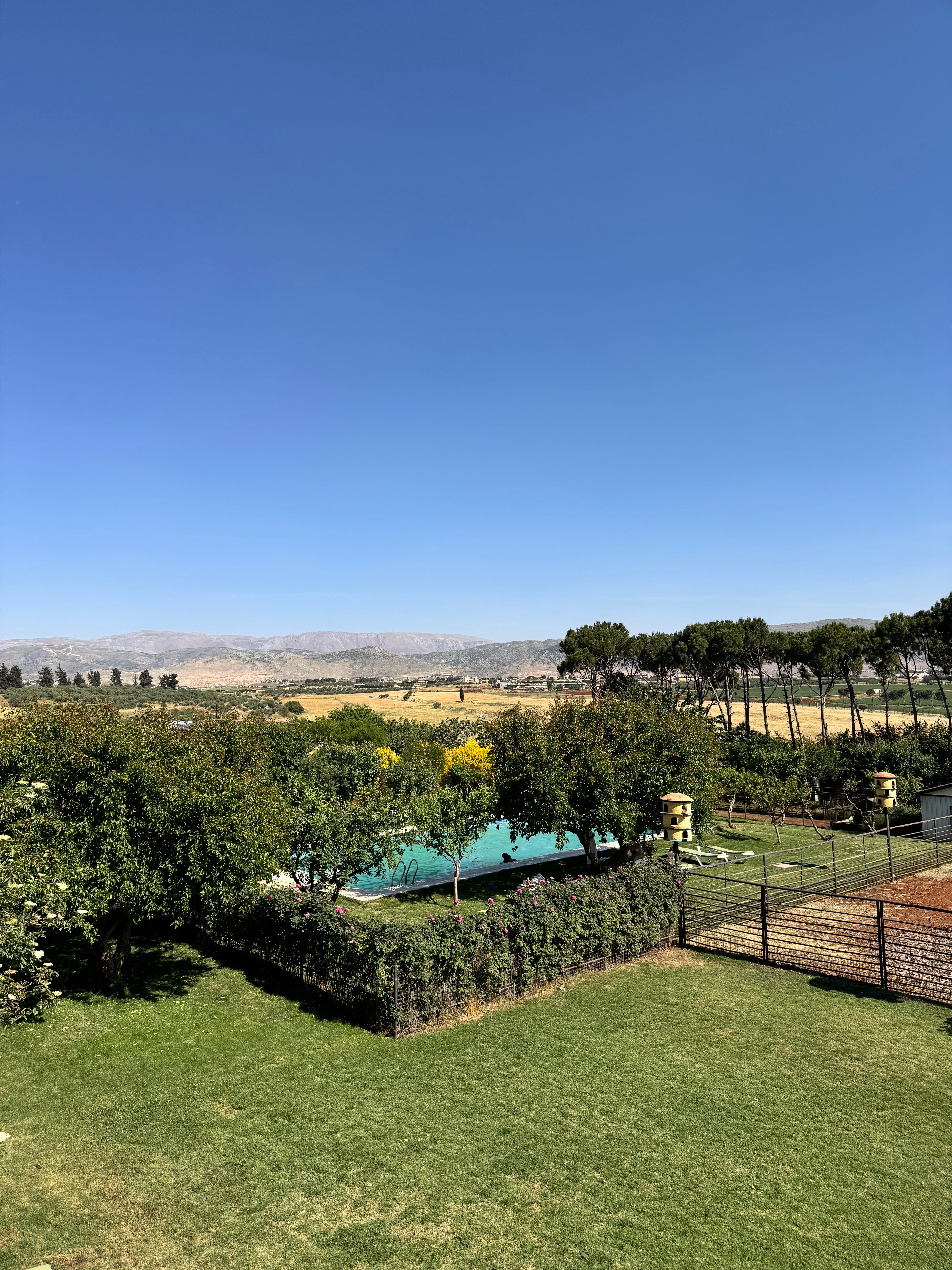
It’s not easy for me to post about my joys, work and experiences while large portions of Lebanon are under heavy annihilation and annexation. My favourite and most frequented places, annihilated and out of reach.
For a long time, I chose silence. Almost three years of one form of self-censoring silence. And the struggle continues.
Drowning in a mixture of personal and collective grief, and shaped by the firsthand experience of my brother’s death and the grave corruption and injustice surrounding it, I have struggled to reconcile my everyday life with the death and destruction unfolding around me.
So I stopped sharing much of my work and life. I struggled to breathe life into many of my projects, particularly Taste Lebanon and Taste WANA — not only because of circumstance, but because I had no stomach to “gloss over” what was happening. I used my voice almost exclusively to confront the devastation surrounding us. Looking back, I think it says a lot about where I was and how much I was struggling to carry.
It took many people attempting to jolt me out of that place. Some advice I welcomed. Some I could never accept, particularly from those whose own silence on the matter remains intact.
But, ultimately, these realisations are something one can only arrive at alone.
I came to understand that silencing joy, creativity, curiosity, and expression, even as acts of respect, acknowledgement and solidarity, is not resistance. It is surrender.
If anything, that kind of silence, too, creates the very absence these death squads rely on.
The truth is that many of us are hiding behind one form of silence or another.
I have been learning to push past my own discomfort. Just as others must push back through the discomfort of confronting what is happening rather than hiding behind platitudes, abstractions, or convenient distance.
This is the Lebanon they are trying to erase.
The Lebanon where parts of our own country have become inaccessible, not only to visitors, but to the people whose families and histories are rooted there. The Lebanon where fear quietly reshapes movement, behaviour, possibility and opportunity.
And I say “Lebanon” as though we stand alone, when the reality is that this violence begins and extends far beyond our borders. The fragmentation of land, memory, history, culture and movement is not confined to one single “nation’.
Many of you who have been in conversation with me over the years will know of my growing discomfort with nationalism as the primary lens through which we understand ourselves, our histories, and our relationships to one another. It is a subject I have been wrestling with deeply, and one that increasingly informs both my research and my work.
In many ways, this journey back to expression is also a journey back through the very tools I know best: food, writing, cultural storytelling, and tracing movement, memory, and the threads that connect us across borders rather than divide us.
I am looking forward to sharing more soon, and against all odds.
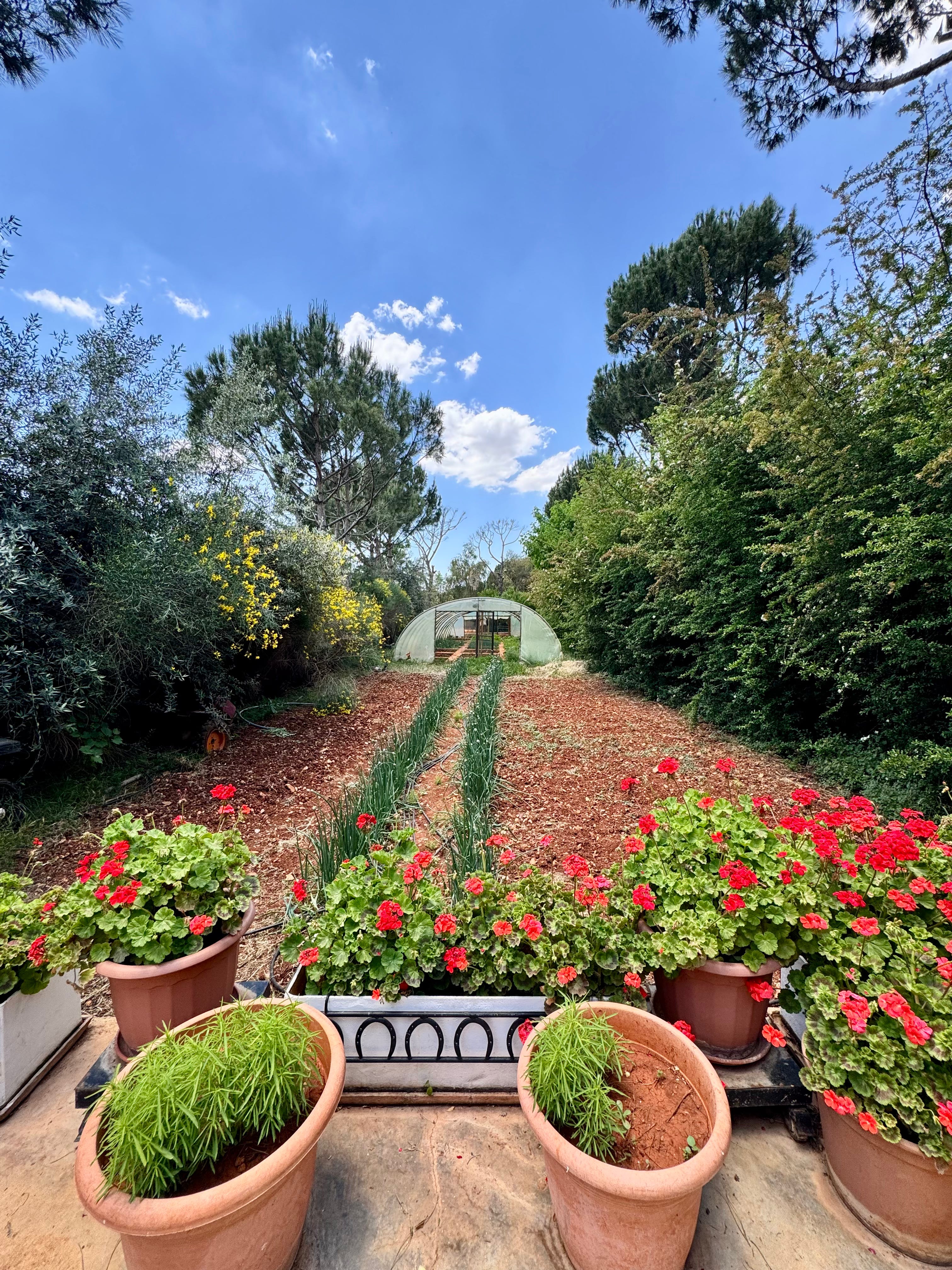
The day I travelled to Al Hauch, several well-meaning people advised me not to go.
“They’re hitting the Bekaa,” they said. But after speaking with Faysal, I realised that going was not reckless. It was necessary. To show up. To insist on life where others are attempting to eradicate it.
Because what disappears first is not just land or buildings. It’s our presence, our movement, our decisions not to go certain places. And then, slowly, it is memory. It is our understanding of how deeply interconnected we are. This is not accidental. It is by design.
This summer, I hope we resist the instinct to retreat entirely into our bubbles of comfort and familiarity. To move through this land and support its people where they need it most. To stand with the places being reduced to headlines and rubble. To refuse whatever form of silence we have wrapped ourselves in. To choose life, joy and solidarity, and expression, no matter how disoriented we may feel, and to fight for them with our voices and our choices.
See you somewhere around Lebanon, and around the table.
Ma’ esalama (with peace) مَع السَلامة ,
Bethany x
The death of culture and our individual expression of that and pride in it, is the death of a nation and its traditions. That is why your work is so important to keep our countries and cultures alive and to encourage all of us to do the same in our own way. I’m here for it.
Your voice and this is such an important message. We must resist but also find joy in what we can - we owe it to the children who need to grow up with joy and happiness and not just violence and war and tears and endless suffering.
Lebanon is so beautiful its traditions and people always welcomed me. I am honored to have been personally several times with nothing but amazing memories.
Keep writing and sharing my sweet Beta, it encourages us to see other images than those unfolding on media.
I could hear your voice in my head when I read your words. 🫶🏻🫶🏻🫶🏻🕊️