


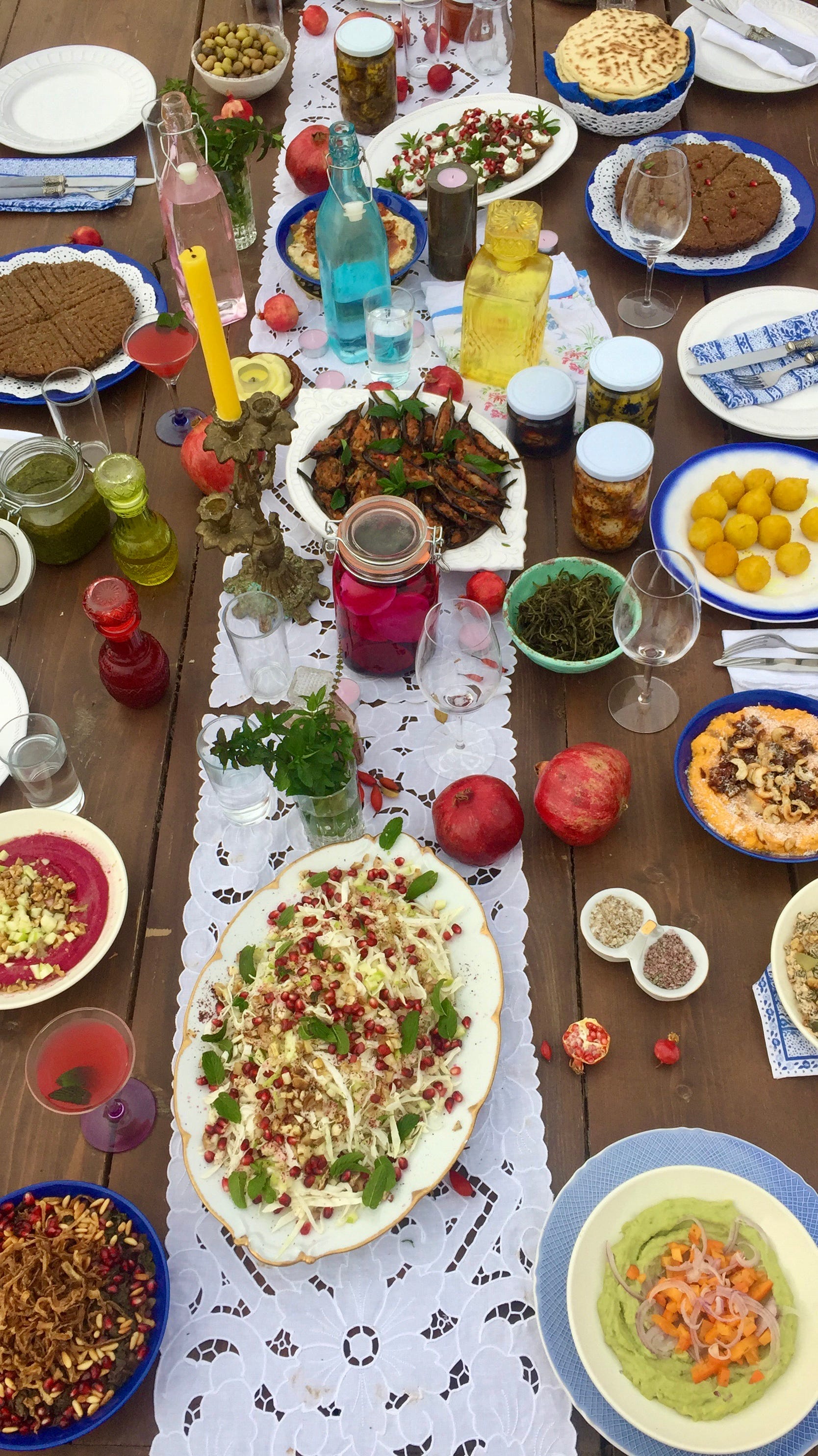
Maraheb dear readers,
This project has been a work in progress for many years and several eleventh hour near misses of actually becoming a permanent space. A story for another time. Right now, I have taken one distinct piece of that dream and brought it to life.
Please welcome ÈDN TABLE.
What ÈDN Means to Me
عدن ‘Adn in Arabic—close in sound to ÈDN in French and cognate with Eden in English—is believed to be of Sumerian origin, coming from the word edin, meaning “steppe” or “plain”. Over time, it came to signify a well-watered, fertile place, and eventually the Garden of Eden: a place of abundance, sanctuary, and bliss—a kind of lost paradise. For me, it represents the nucleus of so many of our cultural, spiritual, and culinary stories, while also suggesting a return—to awareness, to knowledge, to a belonging unbounded by borders or confines, and to a deep devotion to humanity and craft in a world increasingly shaped by greed, violence and dispossession.
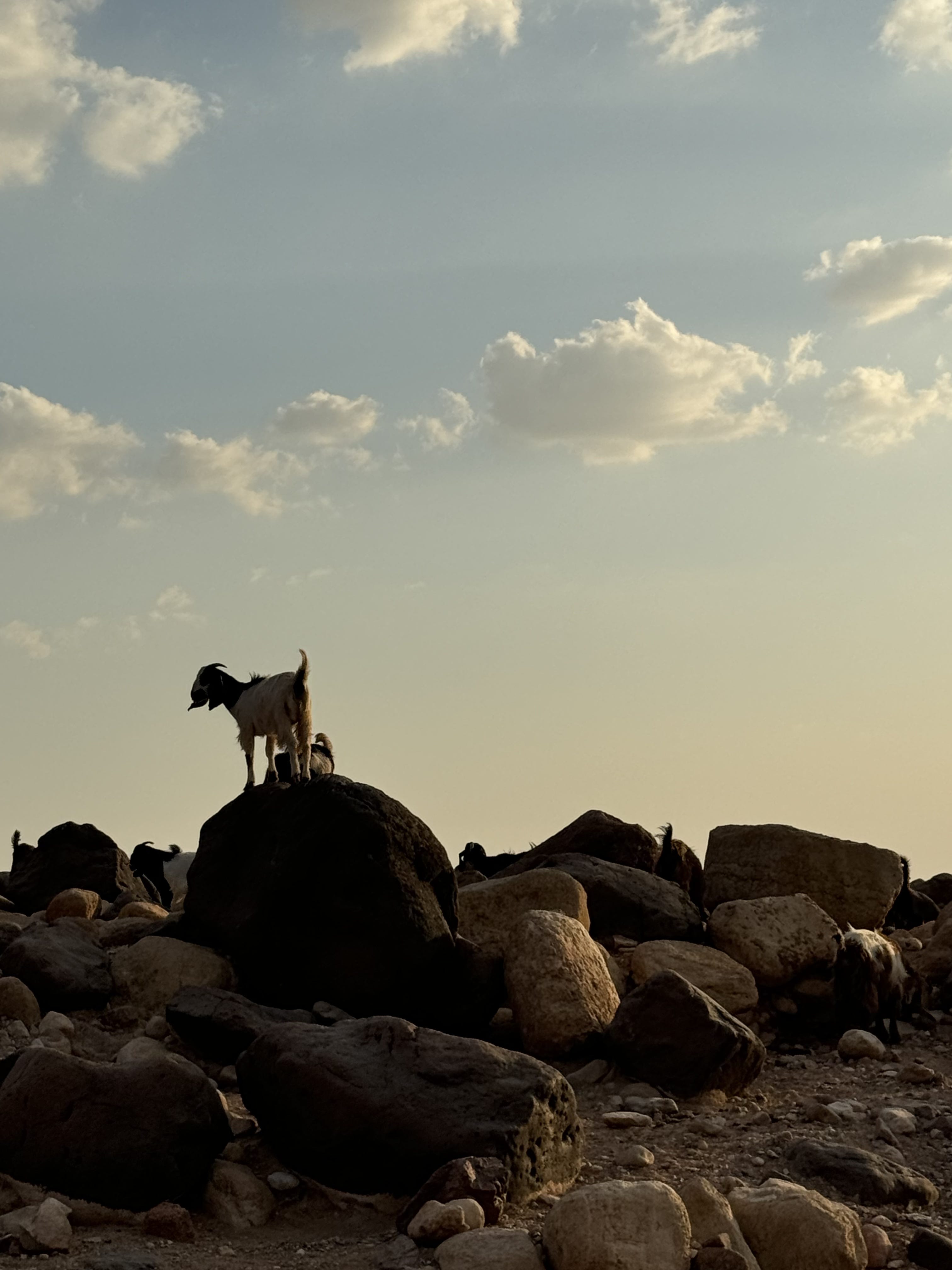
For me, ÈDN is a point of departure.
People often ask me where my ideas come from. The truth is, I’ve spent the last twenty years traveling, cooking, researching, and documenting food across West Asia and North Africa. When I began this journey, conversations around cuisine were—and still largely are—framed through national identities. As someone whose work has always been research-led, I deeply struggled with the idea of compartmentalising dishes into fixed national categories. I kid you not: my first cookbook publisher had to drive four hours to collect the manuscript, because I could never feel it was ready, or researched enough. And, yes, there were tears when I handed it over.
The deeper I looked, the more I realised that food rarely conforms to borders. What fascinated me wasn’t what made us different, but what connected us. That curiosity has shaped my work for the last two decades, and ultimately, it led me to ÈDN.
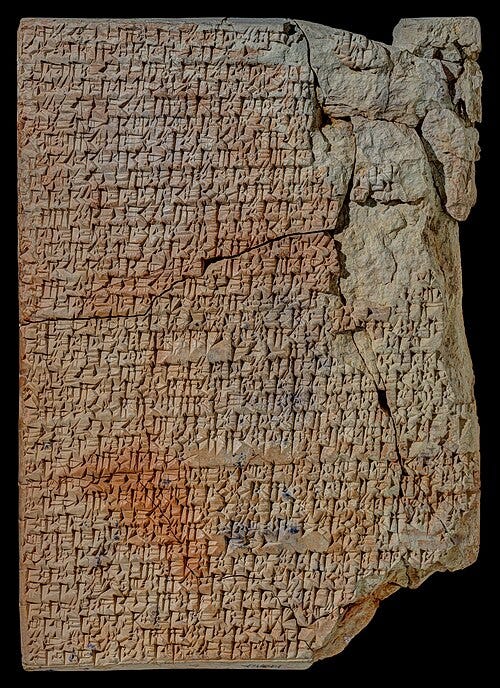
Some of the oldest recorded recipes in the world can be found on Babylonian clay tablets and much of our own nationalistic culinary expressions today find lineage in stories almost forgotten. Curiosity can really remind us how far back our culinary story extends. ÈDN invites us to zoom out, to find strength in our shared inheritance, and to recognise just how deeply our lands have shaped history, culture and civilisation.
ÈDN is a deliberately intimate chef’s table -always in motion- that tells our layered story in chapters across coast, valley, highland, desert, and city, tracing the landscapes and empires that have shaped our foodways.
It then seems only natural to begin the first chapter in The City—my home city Beirut, one of the longest-inhabited cities in the world. I chose the city to begin because cities are where everything converges. Where traders, migrants, people of different social classes, ingredients, and ideas collide. The city is where cuisines are made and remade. Where synthesis happens.
My Table as Synthesis, Not Fusion
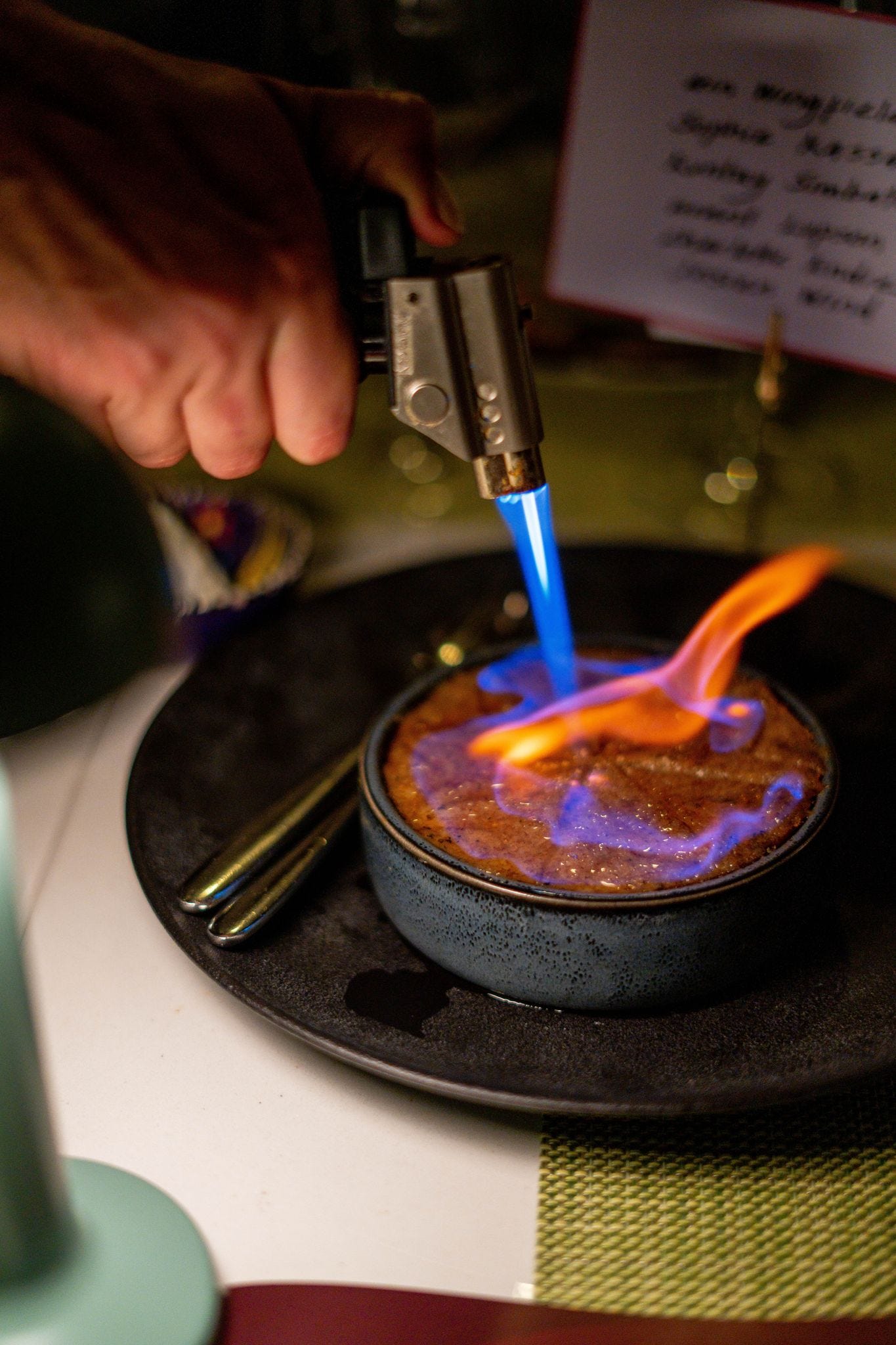
Early in my career, I was criticised for taking liberties with traditional dishes because many saw tradition as fixed. I never did. I’ve always been more interested in understanding a dish than preserving it unchanged.
Where did it come from? How did it evolve? What influences shaped it? And what did it influence? What possibilities does it still hold?
People often describe my food as “fusion,” but I see it as synthesis.
Fusion suggests a visible mix of very distinct parts and ingredients; synthesis is slower, deeper, and more fully integrated. It is the long historical process through which cuisines are shaped by trade, migration, conquest, colonisation, climate, ecology, religion, and everyday life, until they form a coherent culinary language rather than a collage of very random influences.
My cooking is always rooted in terroir, seasonality and the historic, rooted themes of this region.
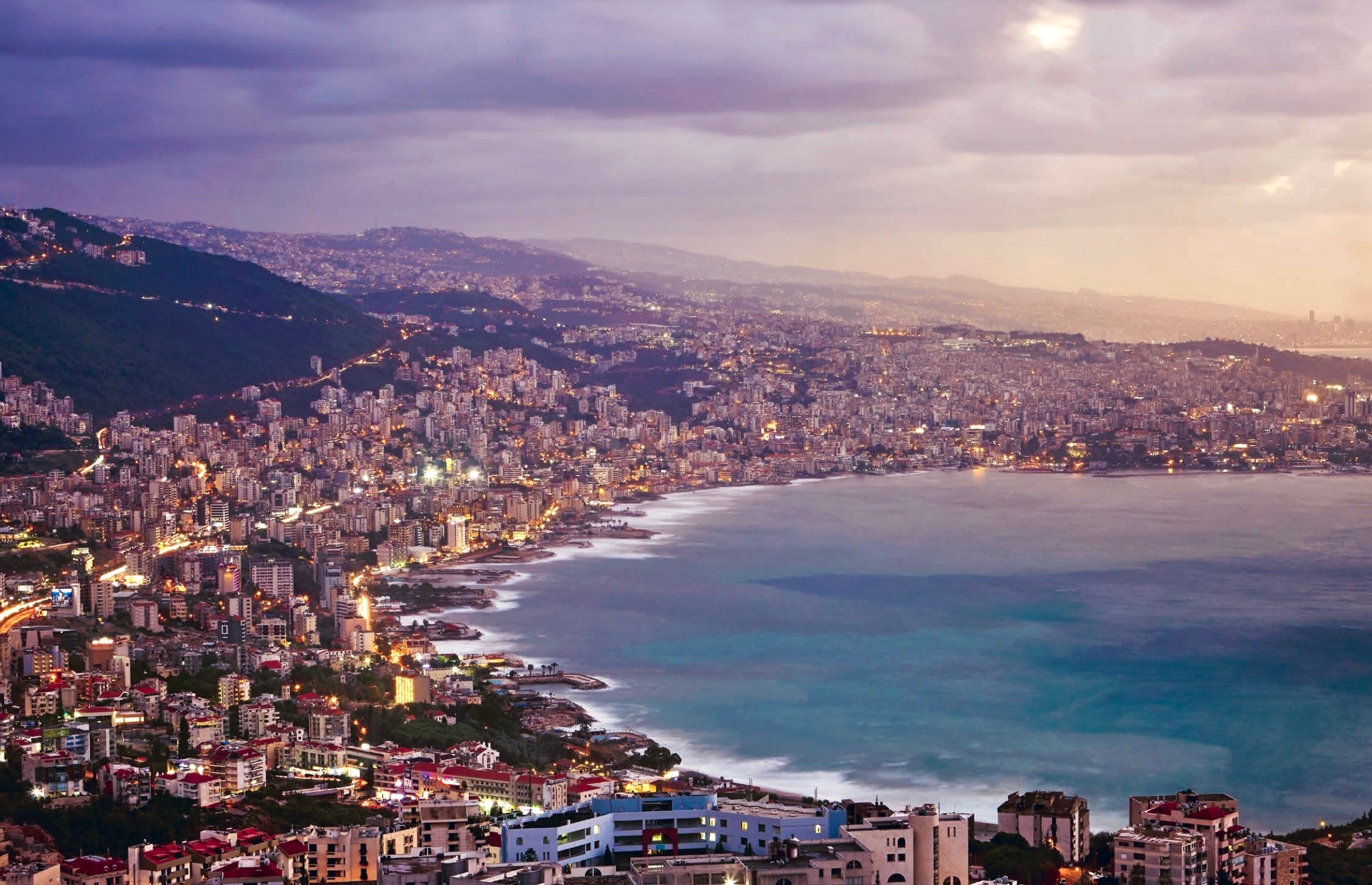
As everyone is always in need of a defining category, I have come to name my analytically led approach Meso-Mediterranean: a term that gestures to Mesopotamia, where some of our shared roots can be traced, and to the Mediterranean—this body of water bounded by three continents kissing the shores of West Asia, North Africa, and Southern Europe (WANASE), and carrying movement, exchange, and encounter across millennia. Rooted in West Asia, the Meso-Mediterranean approach reads food through shared histories, exchanges, and entanglements rather than rigid national categories. ÈDN is an invitation to return to that deeper story.
A Kindred Space
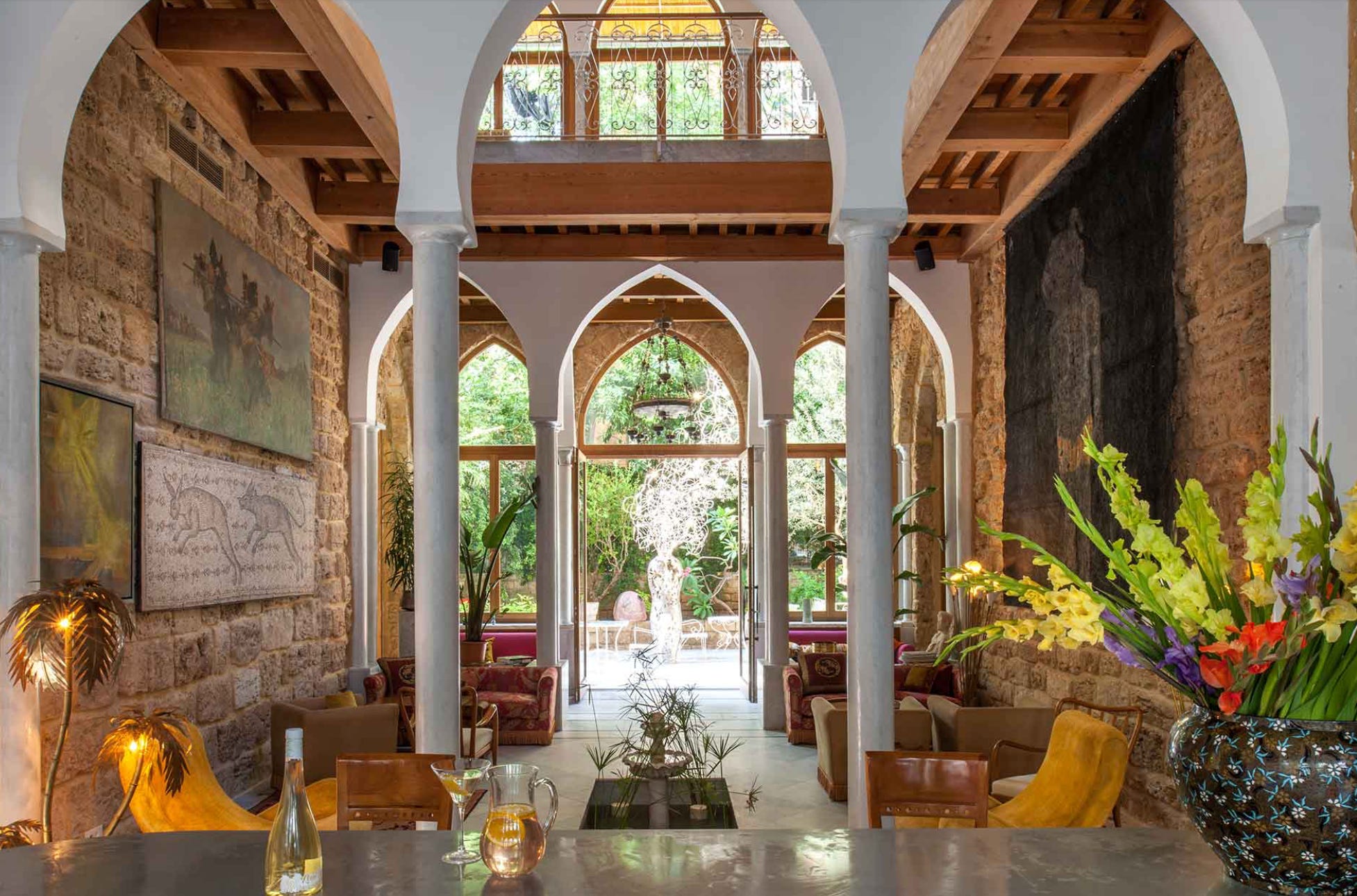
To bring this first chapter to life on Friday, June 26, we are gathering within the historic surroundings of Arthaus Beirut.
Arthaus was built on Roman ruins; the stones in this garden are older than the modern city surrounding them. When Nabil and his wife Zoe looked at this neglected family ruin, they saw not a demolition site but a home worth restoring. That’s the exact same instinct as this project: old things, new eyes. Nothing invented—everything uncovered.
Gemmayzeh itself also carries this duality. It is one of Beirut’s oldest streets, but also one of its most vibrant and contemporary. History and the present co-exit without apology. It is in every sense a kindred space.
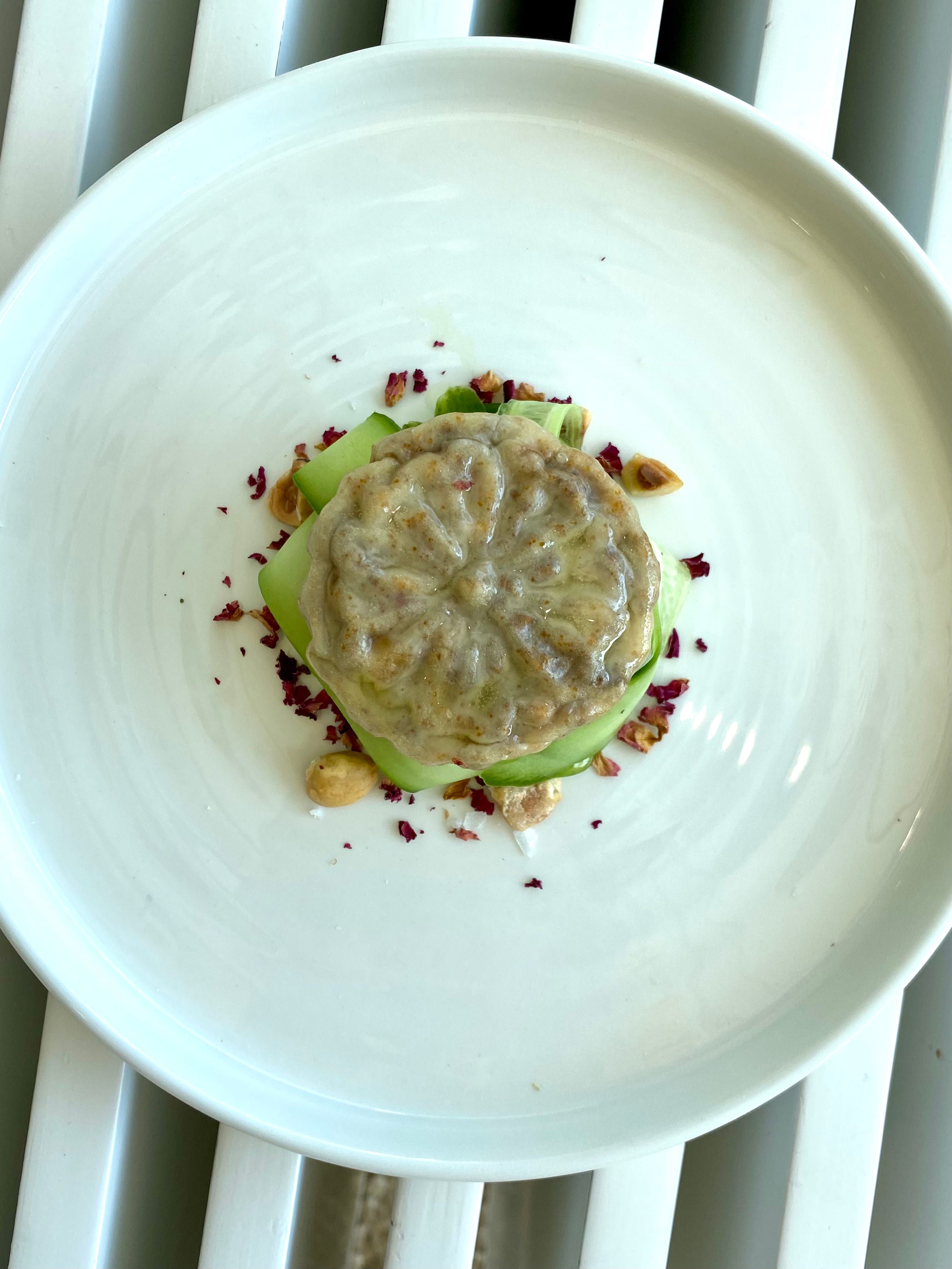
Through a ten-course tasting menu, we will journey through time, terroir, and ecology via a series of rooted and reinterpreted historical dishes, including:
City of Many Tongues: A reflection on Beirut’s layered, multicultural identities.
Sardine Sikbaj: Inspired by one of the region’s most ancestral recorded flavour logics.
Tabilu: A dish drawing on historic culinary records and centuries of seasoning traditions.
Halawa, Unwritten: A contemporary reimagining of familiar regional ingredients.
To complete the experience, each course will be paired with expressive, high-altitude wines by Château Qanafar and the table candlelit by artist Sibylle Tamer of Atelier S/Z.
Join Us at the Table
There is nothing quite like launching our very first chapter right here at home. Reservations are now officially open and very few seats remain.
When: Friday, June 26, 2026 at 7:00 PM
Where: Arthaus Beirut, Gouraud Street, Gemmayze
To Reserve Your Seat: contact Arthaus: +961 71 907 160
Let’s gather over food, wine and music, embrace curiosity, and explore our deep, entangled and fascinating culinary and cultural lineage together.
Future chapters will unfold across different terroirs and cities, join the table to be the first to know. And make sure to subscribe here for more in-depth focus culinary and culture focus pieces.
With warmth and defiance,
Ma’ esalama (with peace) مَع السَلامة,
Bethany x
NB: If you are a patron of the arts, culture, history, gastronomy, or research and storytelling, and would like to support this work, I would be delighted to hear from you. Opportunities exist to help bring different aspects of this evolving project to life, from research and publishing to dining experiences, cultural programming, and travel. Serious enquiries only.
What a scholarly piece! And the beauty! I’m in awe! Wish I could be there! Will share at least! Funnily the last two days Aden has been a topic of discussion here in Mexico 🇲🇽 with friends ; it was my mom’s first trip outside Lebanon and she was a guest of a former french coffee and leather tycoon. Love how you dig and dig into things. Love your new concept! BRAVISSIMO!!!
Food rarely respects the borders we draw around it, and that's part of what makes it so fascinating!